
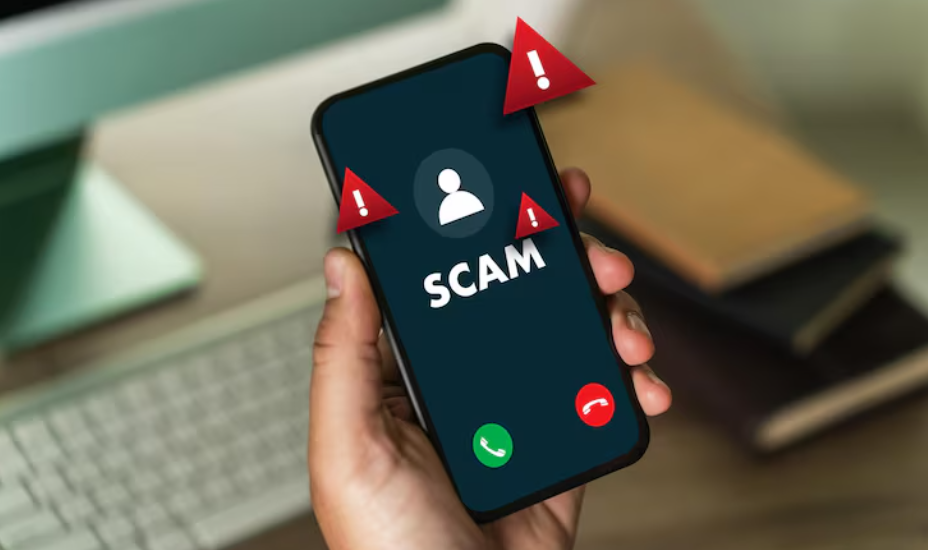
Spam calls have become a common problem for many people. These unwanted calls can interrupt your daily routine, waste your time, and sometimes even try to trick you into sharing personal information. In today’s digital world, protecting your phone and privacy is very important. Learning simple and effective steps can help you reduce these annoying calls and keep your personal information safe. With the right habits and tools, you can take better control of your communication and enjoy a more peaceful phone experience.
Understanding Spam Calls and Why They Happen
Spam calls usually come from telemarketers, automated systems, or scammers trying to reach as many people as possible. They often use random phone number lists or even data leaks from websites and apps. The main goal of these calls is to sell products, collect personal data, or trick users into financial scams. Many people receive these calls daily because their numbers are shared or exposed online without their knowledge. Understanding this helps you realize that spam calls are not personal—they are mass-targeted and automated.
Practical Ways to Reduce Spam Calls
One of the most effective steps in learning how to stop spam calls is to use the built-in features on your phone. Most smartphones allow you to block unknown or suspicious numbers. You can also enable spam protection settings that automatically filter unwanted calls before they reach you. Another helpful method is registering your number with national “Do Not Call” services, if available in your region.
Avoid answering calls from unknown numbers, especially if they look suspicious or come from foreign area codes. If you answer once, your number may be marked as active, leading to more spam calls. You can also use trusted call-blocking apps that identify and block known spam numbers in real time.
Protecting Your Privacy in Daily Life
Protecting your privacy plays a big role in reducing spam calls. Be careful when sharing your phone number online, especially on websites, forms, or social media platforms. Many companies collect and sell user data, which can increase unwanted calls.
Always read privacy policies before signing up for services or downloading apps. Avoid giving your number unless it is necessary. When possible, use a secondary number or email for online registrations. Keeping your personal number private reduces the chances of it being added to marketing or scam databases.
Smart Habits for Long-Term Safety
Developing smart phone habits can help you stay protected in the long run. Regularly update your phone’s software, as updates often include better security and spam protection features. Check your call history and block repeated spam numbers immediately. If a call seems suspicious, never share personal details such as bank information, passwords, or identification numbers.
Being cautious and alert is key. The more careful you are with your phone number, the less likely you are to face repeated spam calls. Over time, these habits create a strong layer of protection for your privacy.
Conclusion
Spam calls can be frustrating, but they are manageable with the right approach. By using phone settings, being careful about sharing your number, and adopting safe digital habits, you can greatly reduce unwanted calls. Understanding how to stop spam calls is not just about blocking numbers—it is about protecting your privacy in everyday life. With consistent awareness and simple actions, you can enjoy a safer and more peaceful communication experience.